
 100% Canadian Owned and Led
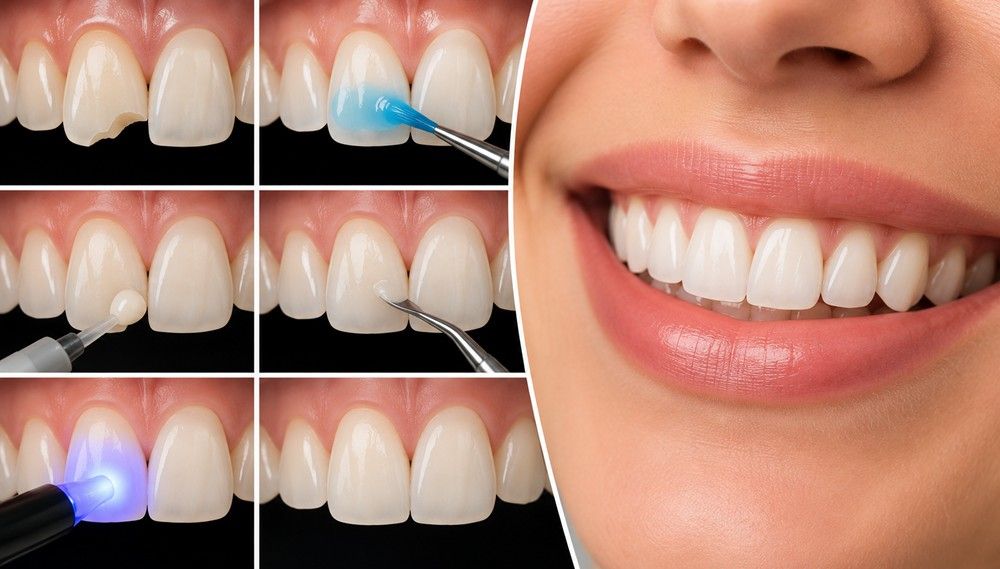
Why do small tooth imperfections affect your smile? You may visit a dental clinic near you when you notice small problems like chipped teeth, gaps, or uneven edges that change how your smile looks. Even small changes in tooth shape or colour can affect your confidence when talking, smiling, or taking photos.
Dental bonding is often used as a simple cosmetic solution to correct these small concerns without complex dental procedures.
What is Dental Bonding and How Does It Help?
People searching for dental bonding are usually looking for a quick way to improve the look of their teeth. Dental bonding uses a tooth-colored material placed directly on the tooth surface to reshape or repair it.
It helps improve the smile by:
- Fixing small chips or cracks
- Closing small gaps between teeth
- Improving uneven tooth edges
- Covering mild discoloration
- Enhancing tooth shape and balance
The result is a smoother, more even smile that still looks natural.
How Dental Bonding Changes the Look of Teeth
Gentle reshaping of the outer surface of the tooth. The material used fits into the tooth in a way that they change slowly but still changes.
The improvement process includes:
- Matching the material to tooth colour
- Shaping it to improve symmetry
- Blending it with the surrounding teeth
- Polishing for a natural finish
This makes the smile look more balanced without altering healthy tooth structure much.
Why Dental Bonding Is a Popular Cosmetic Choice
Due to its simplicity, the process of dental bonding near you does not need major dental work.
The Main Reasons Why They Choose It
- Fast process with observable results.
- No major drilling or extraction is involved.
- Naturally appearing.
- Enhances one’s confidence in the smile.
- Ideal for small exterior repairs.
Patients who want a small but effective smile improvement will find this option practical.
When is Dental Bonding Recommended?
Cosmetic issues that are mild to moderate can be remedied by further treatment, but not serious ones.
It may be advised for.
- Accidents and wear can cause small chips.
- Slight gaps between teeth
- Uneven or short teeth
- Light surface stains
- Minor shape irregularities
A dental check helps decide if bonding is the right solution.
How Dental Bonding Compares to Other Smile Treatments
Dental bonding is often compared with veneers or crowns, but each treatment is used for different needs.
Simple comparison:
- Bonding: A quick way to fix small cosmetic problems
- Veneers: A longer-lasting option to improve the look of your smile more fully
- Crowns: Used for damaged or weakened teeth
Bonding is usually chosen when changes needed are small and focused on appearance.
How Long Do Bonded Teeth Last?
Daily habits and regimen affect the durability of the bonding of teeth.
Factors that affect longevity.
- Brushing and flossing schedule.
- Consuming tough or adhesive food.
- Habit of teeth grinding.
- Frequent dental assessments.
- Decisions like smoking.
If properly cared for, bonding can last for several years.
How Dental Bonding Interacts with Natural Teeth
Dental bonding is designed to work with the natural tooth without removing much healthy structure. In most cases, only a light surface preparation is done so that the bonding material can attach properly.
The original tooth structure is altered only minimally, making this a conservative cosmetic choice. The aim is to enhance the shape, colour, or small damage with a natural limit during the process.
Why Planning Matters Before Dental Bonding
All treatment plans should be done before starting any treatment. The dentist analyzes the shape, colour, and alignment of your teeth so that the bonding material blends naturally with your surrounding teeth.
This step is crucial because even slight differences in size or colour can somehow throw off the look of the smile. With proper planning, the final result can appear smooth, natural, and consistent with the rest of the dentition.
How to Care for Bonded Teeth
Taking care of bonded teeth helps maintain their appearance and strength over time.
Simple care tips:
- Brush teeth twice daily.
- Floss every day
- Avoid biting very hard objects.
- Limit coffee, tea, and staining foods.
- Visit the dental clinic in Whyte Ave regularly.
Good oral habits help protect both natural teeth and bonded areas.
Ready to Enhance Your Smile with Simple Cosmetic Care?
Dental bonding is a simple and effective way to improve small imperfections in your smile. It helps enhance tooth shape, colour, and balance while keeping the treatment quick, comfortable, and minimally invasive. Book your appointment today with Whyte Ave Dental Choice for personalized cosmetic dental care and smile improvement solutions, and take a step toward a more confident and natural-looking smile.
FAQs
How quickly can dental bonding improve a smile?
Dental bonding can improve the appearance of a smile in just one visit, making it one of the fastest cosmetic dental treatments for small corrections.
Does dental bonding look natural?
Yes, the bonding material is carefully matched to the natural tooth shade, so it blends smoothly and looks natural with surrounding teeth.
Can we fix uneven teeth with bonding?
Dental bonding can help reshape teeth that are slightly uneven or irregular. As a result, your smile will appear more even.
Is dental bonding appropriate for major dental issues?
No dental bonding is typically intended for small cosmetic deficiencies, such as chips, gaps or minor damage, not bigger restoration needs.
