
 100% Canadian Owned and Led

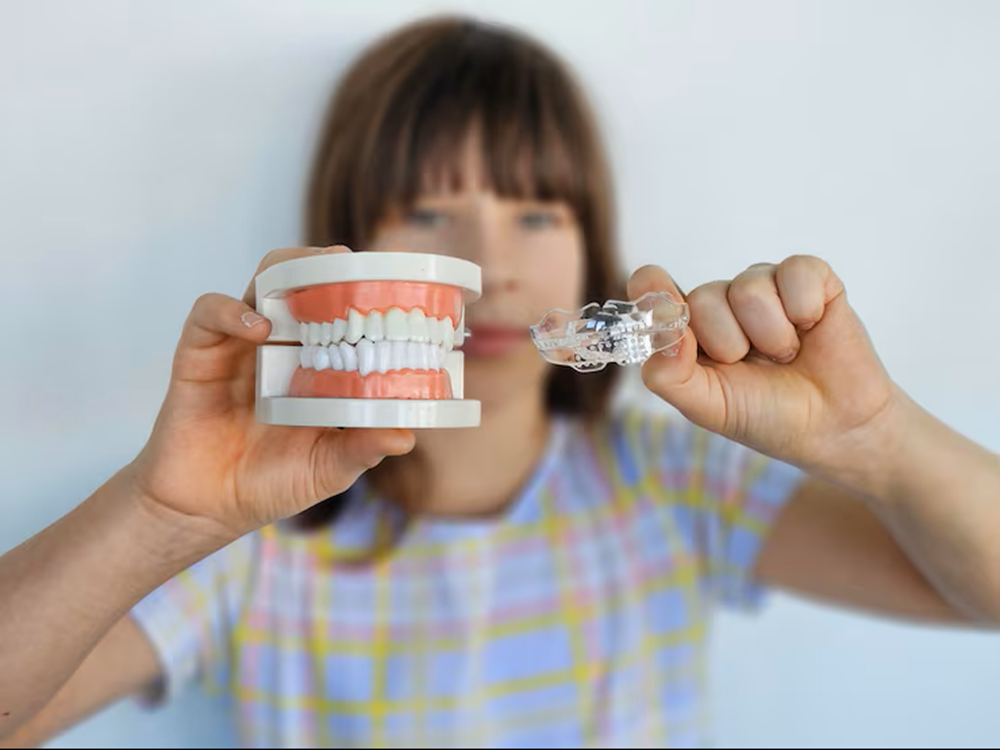
Traditional braces and Invisalign can both straighten teeth and improve your bite. Neither one is better for everyone. The best choice depends on how much your teeth need to move, the health of your teeth and gums, your goals, and how well you can follow the treatment. Invisalign may work well for many mild-to-moderate alignment problems. Traditional braces can treat a wider range of tooth movement. A dental checkup can help you choose the right option.
Understanding how each option works, what it can treat, and what daily care involves can make the decision easier.
How Do Traditional Braces Work?
At a dental clinic in Whyte Ave, traditional braces use small brackets and a connecting wire to gently guide the teeth into their planned positions over time.
The wire applies gentle, controlled pressure over time. Regular appointments allow adjustments and help track progress throughout treatment.
How Does Invisalign Work?
Invisalign near you uses a series of clear, removable trays that gently guide your teeth into better positions over time. Each tray is made to create small changes in tooth position.
The aligners are changed as directed during treatment. Because they can be removed, eating and brushing can be easier compared with fixed braces. However, they need to be worn for the recommended amount of time each day to work as planned.
Which Option Is More Effective?
Both treatments can be effective, but their suitability depends on the dental problem.
Traditional braces may be preferred for:
- More complex tooth movements
- Significant crowding
- Certain bite problems
- Cases where greater control of tooth movement is needed
- Clear aligners may be suitable for:
- Mild to moderate crowding
- Gaps between teeth
- Some bite concerns
- People who prefer a less noticeable option
The treatment choice should be based on the needs of the teeth rather than appearance alone.
Which Treatment Takes Less Time?
Treatment length varies from person to person. The amount of tooth movement needed, the type of alignment problem, and how closely treatment instructions are followed can all affect the timeline.
A dental clinic near you can assess the teeth and provide a more realistic estimate after examining the alignment and bite.
Which Is Easier to Keep Clean?
Traditional braces stay attached to the teeth throughout treatment. Brushing around the brackets and wires requires extra care, as food can become trapped there.
Clear aligners can be removed for brushing and flossing. However, the aligners also need to be cleaned properly and returned as directed.
Good daily cleaning is important with either treatment.
Does Invisalign Work as Well as Braces?
Invisalign can work well for many alignment problems, but it is not the best choice for every case. Some tooth movements may be easier to manage with traditional braces.
At a dental clinic on Whyte Ave, an assessment can help determine whether clear aligners can provide the needed tooth movement or whether braces may be more suitable.
What About Comfort and Appearance?
Traditional braces are visible and may cause some temporary soreness after adjustments. The brackets and wires can also feel unusual at first.
Clear aligners are less noticeable and may feel smoother against the cheeks and lips. Some pressure or tenderness can still occur when moving to a new set of aligners.
Neither treatment should be expected to be completely free of discomfort.
Which Option Requires More Responsibility?
Clear aligners require consistent use. They must be removed for eating and usually need to be worn for most of the day and night as directed.
Traditional braces remain in place, so there is no need to remember to put them back in. However, avoiding certain hard or sticky foods and cleaning carefully becomes especially important.
A dental clinic can explain the daily responsibilities of each option before treatment begins.
Choose the Treatment That Fits the Smile!
Both traditional braces and Invisalign have a place in orthodontic treatment. The better option depends on the alignment problem, treatment goals, daily habits, and the type of tooth movement required.
Contact Whyte Ave Dental Choice to discuss orthodontic options, determine which treatment may best suit your teeth, and book your appointment today.
FAQs
Are braces stronger than Invisalign?
Traditional braces can provide more control for some complex tooth movements. However, Invisalign can be effective for many alignment problems when used as directed.
Can Invisalign fix crowded teeth?
They can help with many cases of tooth crowding, but the extent of crowding and the type of movement required determine whether clear aligners are suitable.
Can Invisalign fix bite problems?
Clear aligners can address some bite concerns. More complex bite problems may require traditional braces or another treatment approach.
Which option is easier to eat with?
Clear aligners are removed before eating, so there are fewer food restrictions during meals. Traditional braces stay in place, so certain hard or sticky foods may need to be avoided.
